
 Sativa vs Indica: Understanding Cannabis Variety in Today’s Market
  OAVS Teacher Recruitment: Best Proven Steps to Apply
  Maharashtra NEET UG counselling: Quick Registration Guide 2026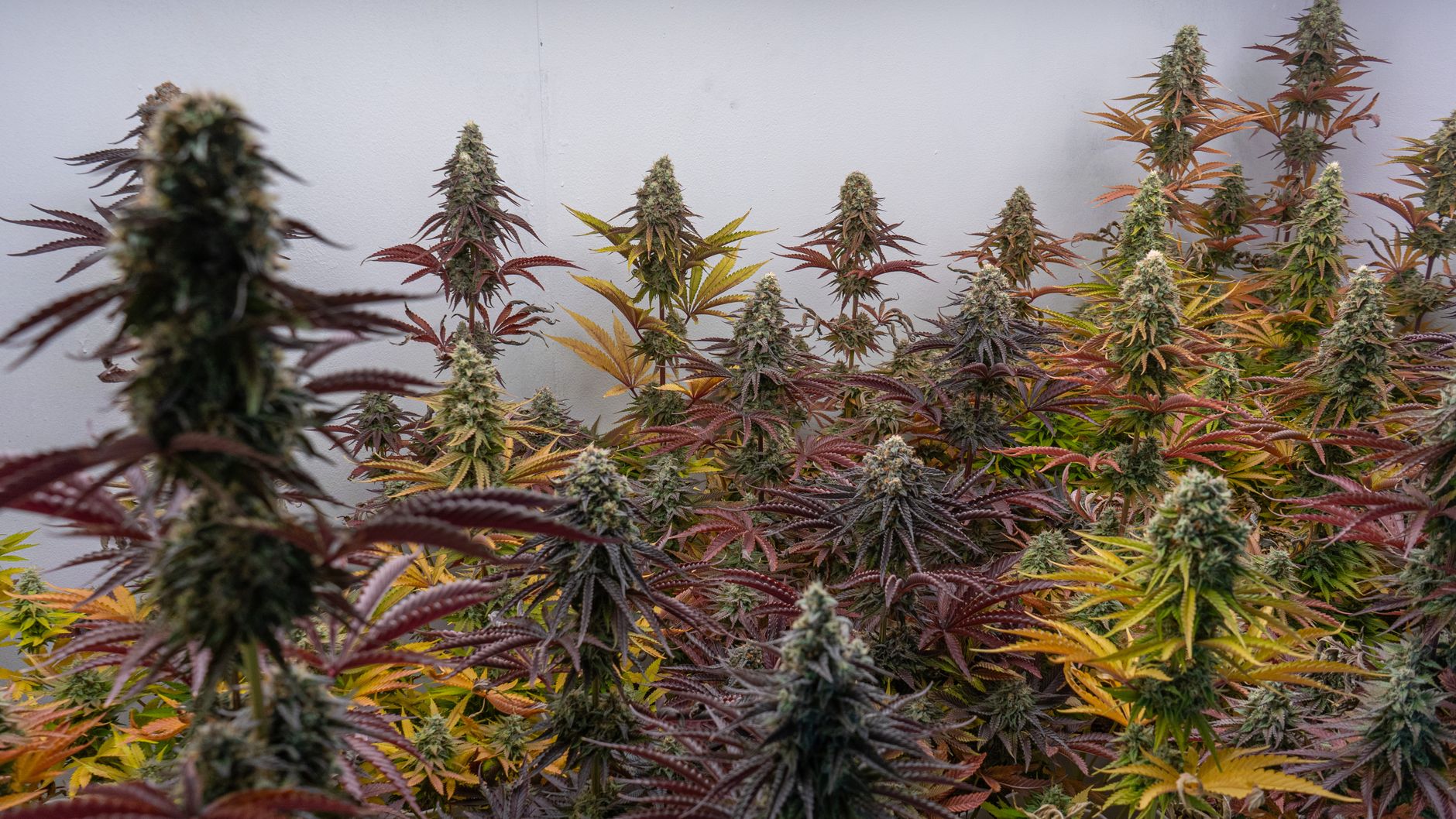
The modern cannabis market offers an increasingly broad selection of cultivars, flower profiles, and product formats. For newcomers, the traditional Sativa vs Indica terminology provides a familiar starting point for understanding this variety. These categories are historically associated with different plant structures and genetic backgrounds, while contemporary breeding has introduced hybrids with characteristics that extend across both classifications. Looking at the wider picture can make today’s cannabis landscape easier to understand.
Table of Contents
- Why Are Cannabis Categories Still Important?
- How Has Modern Cannabis Variety Expanded?
- What Makes Each Cultivar Different?
- How Do Cannabinoids Contribute to Variety?
- Why Do Terpene Profiles Matter?
- How Does Flower Variety Appear Visually?
- What Role Do Growing Practices Play?
- Why Are Hybrid Varieties So Diverse?
- How Do Product Formats Add More Variety?
- What Should Shoppers Look for in Modern Products?
- How Can Consumers Appreciate Cannabis Diversity?
- Conclusion
Why Are Cannabis Categories Still Important?
Sativa and indica remain widely recognized terms because they provide simple language for discussing broad cannabis characteristics. Traditional sativa plants are generally associated with taller growth, narrower leaves, and a more open structure.
Indica, in comparison, is traditionally linked with shorter plants, broader leaves, and compact growth. These characteristics provide a basic framework for understanding the botanical diversity found across cannabis varieties.
How Has Modern Cannabis Variety Expanded?
Selective breeding has introduced a wide range of cultivars with different genetic combinations. Many modern varieties contain characteristics from multiple cannabis lineages, creating profiles that do not fit perfectly into traditional categories.
This genetic diversity has expanded the market with numerous combinations of flower appearance, aroma, flavor, cannabinoid content, and terpene composition. As a result, shoppers can explore considerably more variety than the classic two-category model suggests.
What Makes Each Cultivar Different?
A cultivar represents an individual cultivated variety with its own genetic characteristics. Genetics can influence plant structure, flower formation, cannabinoid production, terpene expression, and aromatic qualities.
Two products carrying the same broad category can therefore have very different characteristics. Examining cultivar information can provide a more specific understanding of what distinguishes one product from another.
How Do Cannabinoids Contribute to Variety?
Cannabinoids are naturally occurring compounds found in cannabis. THC and CBD are among the most familiar, and their concentrations can differ significantly across cultivars.
These variations contribute to the distinct chemical profiles found throughout the market. Reviewing cannabinoid information alongside traditional classifications gives shoppers additional measurable details when exploring different products.
Why Do Terpene Profiles Matter?
Terpenes contribute to the distinctive aromas and flavors found in cannabis. Different cultivars can contain different combinations and concentrations of these aromatic compounds.
Profiles may feature citrus, fruit, floral, pine, herbal, earthy, or spicy characteristics. This broad range demonstrates that aroma and flavor are not determined by sativa or indica terminology alone.
How Does Flower Variety Appear Visually?
Cannabis flower can differ in size, shape, density, color, and trichome coverage. Traditional indica-associated genetics are often connected with compact and dense flower structures, while sativa-associated genetics may produce more elongated forms.
Modern hybrid genetics can combine these characteristics, resulting in an extensive range of visual appearances. Cultivation conditions and post-harvest practices can further influence the final presentation.
What Role Do Growing Practices Play?
Genetics provide the foundation for a cannabis plant, but cultivation can influence how those traits develop. Light exposure, temperature, humidity, nutrition, harvesting, drying, and curing can all affect the final product.
These factors help explain why two products with similar genetic classifications can still have differences in appearance, aroma, texture, and overall presentation.
Why Are Hybrid Varieties So Diverse?
Hybrid varieties bring together genetic characteristics from different cannabis lineages. Some may lean toward traditional sativa traits, others toward indica characteristics, while many display a combination.
This creates a broad spectrum of products rather than a strict division between two categories. Hybrids have become an important part of the modern cannabis market because they contribute significantly to genetic and sensory diversity.
How Do Product Formats Add More Variety?
Cannabis is available in multiple formats, including flower, pre-rolls, concentrates, and edible products. Each format presents cannabis characteristics in a different way.
Flower highlights visual and aromatic qualities, while other formats may emphasize cannabinoid concentration, serving information, or formulation details. This variety gives consumers multiple ways to explore cannabis products.
What Should Shoppers Look for in Modern Products?
A complete product profile can include traditional classification, cultivar name, cannabinoid levels, terpene information, aroma, flavor, product format, and cultivation details where available.
Considering these characteristics together provides more useful context than relying on a single category. It also reflects the complexity and variety created by modern cannabis genetics.
How Can Consumers Appreciate Cannabis Diversity?
Understanding that cannabis exists across a broad genetic spectrum can make product exploration more engaging. Traditional classifications provide an introduction, while individual cultivar and product information reveal the finer differences.
Exploring aroma, flavor, appearance, cannabinoids, and terpene profiles can help consumers become more familiar with the characteristics that make each product distinctive.
Conclusion
Today’s cannabis market reflects significant genetic and product diversity. Sativa and indica remain useful traditional classifications, with sativa generally associated with taller plant structures and narrower leaves and indica traditionally linked with shorter, more compact growth. Hybrid breeding has expanded these characteristics into a much broader spectrum. By considering genetics, cannabinoids, terpenes, flower characteristics, cultivation practices, and product formats together, consumers can gain a richer understanding of the variety that defines the modern cannabis market.
The Short Version
- The modern cannabis market has expanded to include a wide variety of cultivars and product formats beyond traditional Sativa and Indica classifications.
- Selective breeding has created hybrids that exhibit characteristics from multiple cannabis lineages, contributing to greater genetic diversity.
- Cannabinoids, such as THC and CBD, vary significantly across cultivars, affecting the chemical profiles of cannabis products.
- Terpenes play an essential role in providing distinct aromas and flavors in cannabis, which are not solely determined by Sativa or Indica classifications.
- Growing practices, including environmental factors and post-harvest methods, can significantly influence the final characteristics of cannabis products.
- Consumers are encouraged to examine a full product profile, including cultivar name and cannabinoid levels, for a more comprehensive understanding of cannabis offerings.