
 Bihar STET Admit Card: Quick Guide to Download Hall Ticket
  RRB NTPC recruitment 2026: Easy and Proven Steps to Apply
  NEET PG 2026 seat matrix: Is it the best guide for students?
  RRB NTPC Notification 2026: Best Simple Guide to Apply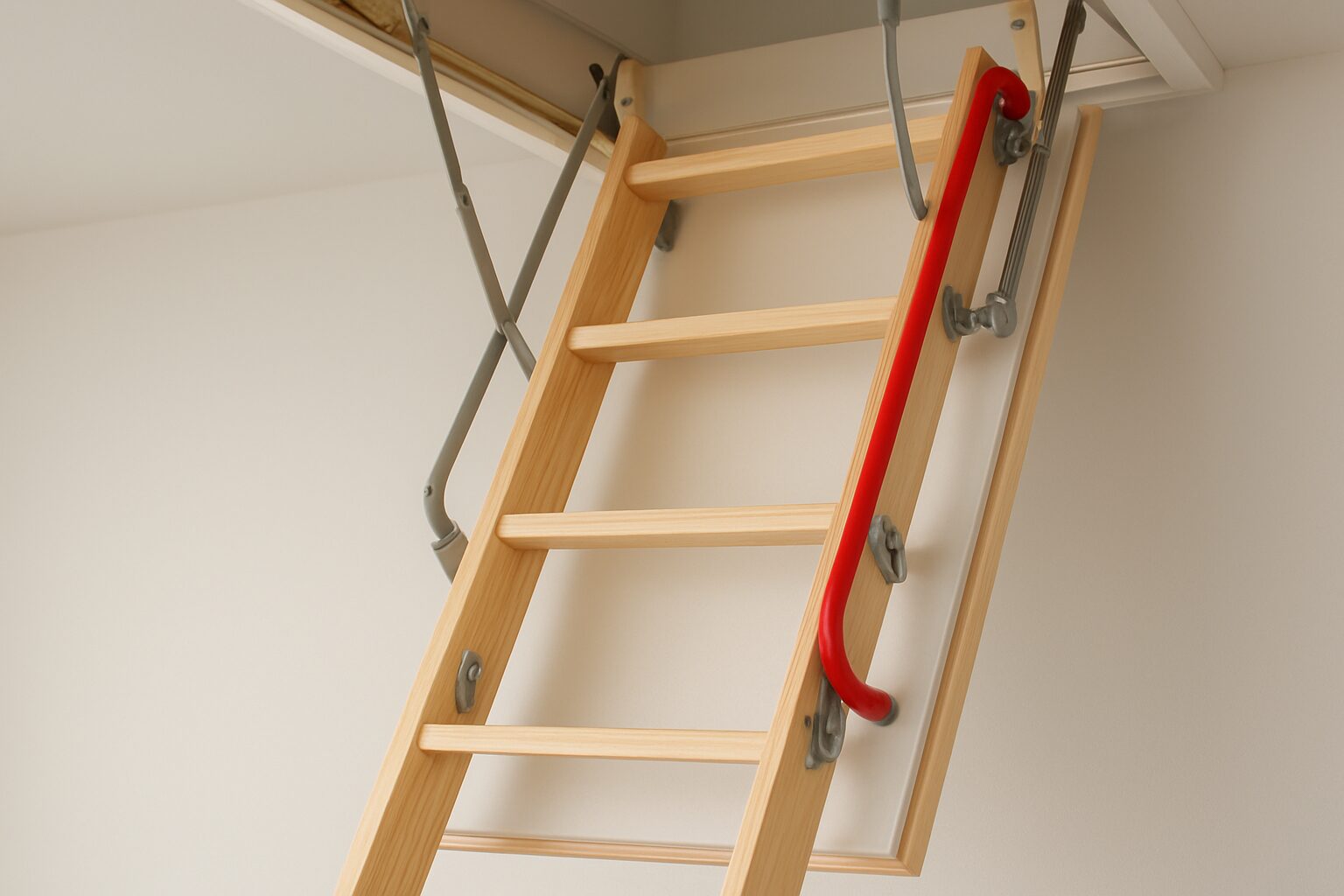
Loft access points that are safe for a fit, unencumbered adult can present very different challenges for children and older family members. A safety-conscious approach to loft ladder selection and household protocols protects everyone in the home—not just primary users.
What Makes Loft Ladders Particularly Risky for Certain Household Members?
The combination of a steep angle Loft Ladder, narrow steps, and vertical handrails creates a set of physical demands that not all users manage equally:
Children are at risk of unsupervised access, misjudged step placement, and insufficient grip strength
Older adults face challenges with balance, grip confidence, and joint stress during descent
Anyone carrying items loses handrail access, significantly increasing the risk of a misstep
Household composition should directly shape the safety features you prioritise when selecting a ladder and hatch system.
How Can You Prevent Unsupervised Child Access?
A loft ladder that is accessible to children without adult oversight is a significant hazard. Mitigation options include:
Hatch locking mechanisms:
Many modern hatch systems include a pole-operated latch that requires the latch hook to be engaged from floor level
This keeps the hatch secured from below when not in use
More secure options include a keyed lock integrated into the hatch frame
Visual deterrents:
A clearly visible “Keep Closed” sign on the hatch reinforces household rules for older children
For younger children, this alone is insufficient—a physical locking mechanism is essential
Ladder retraction:
Ensure the ladder fully retracts into the hatch when closed; a ladder that remains partially deployed at ceiling level should be reconfigured or replaced
What Features Support Older Adults Using a Loft Ladder?
For older household members, the priority features shift toward stability and confidence during descent:
Wider steps:
Steps of 80 mm or deeper provide more surface area for full foot placement
This reduces the risk of heel overhang, which is a common factor in loss-of-balance incidents
Dual handrails at full height:
Rails that extend clearly above the hatch opening allow a secure grip during the transition from standing to climbing
Rails should be at a height comfortable for someone approximately 170 cm tall to reach without stretching
Controlled descent mechanism:
Gas-assisted springs slow the ladder’s opening, preventing abrupt deployment that can startle or destabilise a user
This feature also helps users who may not have the strength to fully control a spring-loaded ladder
Step depth and angle:
A shallower ladder angle (closer to 60° rather than 70°) reduces the strain on knees and hips during descent
Some models allow angle adjustment within a limited range
Should Households With Mobility Concerns Consider Alternatives?
For household members with significant mobility limitations, a standard folding loft ladder may not be the appropriate solution. Alternatives include:
Loft boarding and storage systems that reduce the need for frequent attic access
Electric loft ladders that deploy at the touch of a button and offer consistent, controlled descent without manual effort
Wider-step commercial-grade ladders designed for repetitive use and greater user variation
An occupational therapist can provide tailored recommendations for households where a family member’s mobility needs are the primary concern.
What Are the Key Household Protocols for Safe Use?
Beyond equipment selection, establish clear household rules:
No unsupported single-handed climbing—both hands on the rail at all times
One user on the ladder at a time
Items to be passed up or down, not carried during climbing
Children do not use the ladder without direct adult supervision
The hatch is locked when not actively in use
Written rules posted near the hatch reinforce these expectations for all household members, including visitors and tradespeople who may need attic access.
Safety Scales to Fit Every Household
A loft ladder selected with your full household in mind—not just the most frequent user—is a safer investment for everyone. Match the step width, handrail configuration, and locking mechanism to the youngest and oldest members of your home, and the ladder will serve the full household reliably.