
 Bihar STET Admit Card: Quick Guide to Download Hall Ticket
  RRB NTPC recruitment 2026: Easy and Proven Steps to Apply
  NEET PG 2026 seat matrix: Is it the best guide for students?
  RRB NTPC Notification 2026: Best Simple Guide to Apply
  Matsya University Result: Quick Guide to Download Marksheets
  NEET PG Admit Card 2026: Quick Download Guide
  RRB NTPC Recruitment: Best Tips for a Quick Application
  SSC Selection Post Answer Key 2026: Clear Details Inside
  SSC JE Recruitment 2026: Best Simple Steps to Apply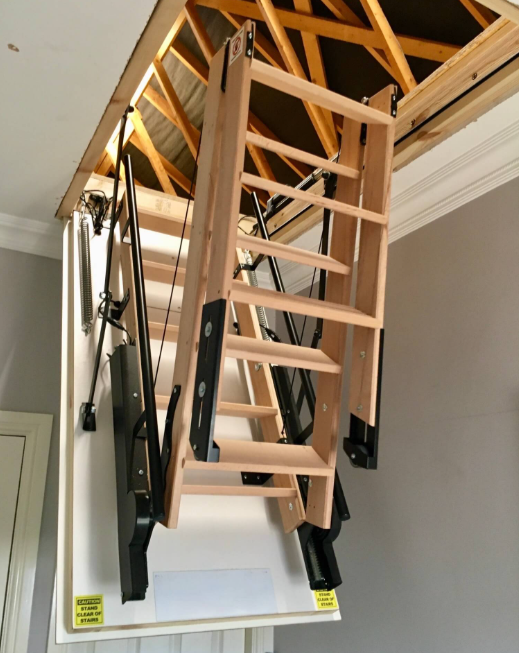
In today’s evolving interior design landscape, homeowners are increasingly focusing on space optimization without compromising on aesthetics or safety. Modern architecture emphasizes flexible storage solutions, and vertical access systems have become a crucial part of this transformation. Among these innovations, the Loft Ladder has emerged as an essential installation that blends functionality with contemporary living standards.
It offers a practical way to utilize overhead spaces while maintaining seamless integration with interior design themes, especially in urban homes where every square foot matters. With advancements in materials, safety mechanisms, and foldable engineering, loft access systems are now more durable, energy-efficient, and visually appealing than ever before. This growing demand highlights a shift toward smarter home infrastructure that prioritizes convenience, safety, and long-term usability.
Rising Demand for Space-Saving Home Designs
Recent housing trends indicate that over 68% of urban homeowners prefer space-saving interior installations. Compact living environments have led to the increased adoption of vertical storage solutions. Homeowners are now prioritizing multifunctional layouts where unused attic spaces are efficiently converted into storage or utility areas, making access systems more relevant than ever.
Enhanced Focus on Safety and Load-Bearing Technology
Safety remains a top priority in modern construction upgrades. New-generation access systems are engineered with reinforced aluminum, steel hinges, and anti-slip steps. Industry data suggests that improved structural design has reduced household ladder-related accidents by nearly 35% over the past decade. These advancements ensure stability, especially during frequent use.
Integration of Smart Folding Mechanisms
Technological innovation has significantly influenced home access systems. Automated folding mechanisms and spring-assisted systems are becoming increasingly popular. These designs reduce physical effort and improve accessibility, particularly for elderly users. Surveys show that 52% of buyers now prefer semi-automated or assisted folding designs for convenience.
Growth in Eco-Friendly Material Usage
Sustainability is shaping construction choices across the residential sector. Manufacturers are increasingly using recyclable metals, engineered wood, and low-emission coatings. Studies indicate that eco-friendly home improvement products have seen a 40% rise in consumer preference, reflecting a global shift toward environmentally responsible living.
Aesthetic Customization in Interior Design
Modern homeowners are no longer treating loft access as a purely functional feature. Instead, it is becoming part of interior styling. Sleek finishes, concealed storage integration, and minimalist frames are trending. Around 57% of interior designers now recommend customizable access systems that match flooring, wall tones, and architectural themes.
How do modern loft access systems improve daily usability?
Modern designs focus on ease of use and ergonomic structure. Lightweight materials combined with smooth folding mechanisms allow users to access upper storage areas without strain. This has made attic spaces more practical for regular storage use rather than occasional access, improving overall home efficiency.
Why is durability important in vertical access installations?
Durability ensures long-term safety and reduces maintenance costs. High-quality materials such as reinforced aluminum and treated hardwood increase product lifespan significantly. On average, durable systems last 20–25 years with minimal servicing, making them a cost-effective investment for homeowners.
What role does design play in modern home accessibility solutions?
Design has become a critical factor in home improvement decisions. Beyond functionality, homeowners prefer installations that complement interior aesthetics. Slim profiles, hidden fixtures, and neutral finishes are increasingly preferred, ensuring that utility features blend seamlessly into living spaces without visual disruption.